The surprising benefits of encouraging your child to play the “wrong” note first
Why science says imperfect practice is perfectly fine — and may even be the best way for your child to learn piano
“Practice makes perfect”, we’re told. But should we really want perfection? As we’ve explored previously on this blog, perfection can be something of a trap for aspiring pianists — and children can be particularly susceptible.
Many of us who have learned, or attempted to learn, an instrument the traditional way will recall endless repetitions of scales and tricky passages, often with a teacher calling out mistakes we may not have been able to hear ourselves. This sort of instruction has worked for many people, of course, but over-correction can be counterproductive: it lowers motivation, creates anxiety, and teaches us to rely on external guidance rather than analyze and solve problems ourselves.
So what’s the solution? Embrace imperfection, we say, as does a growing chorus of scientists and educators studying the ways we actually learn best. In this post, we’ll explore some of how imperfect practice—wrong notes and all—may actually be the optimal way for your child to learn piano.
Mistakes are how the brain learns best
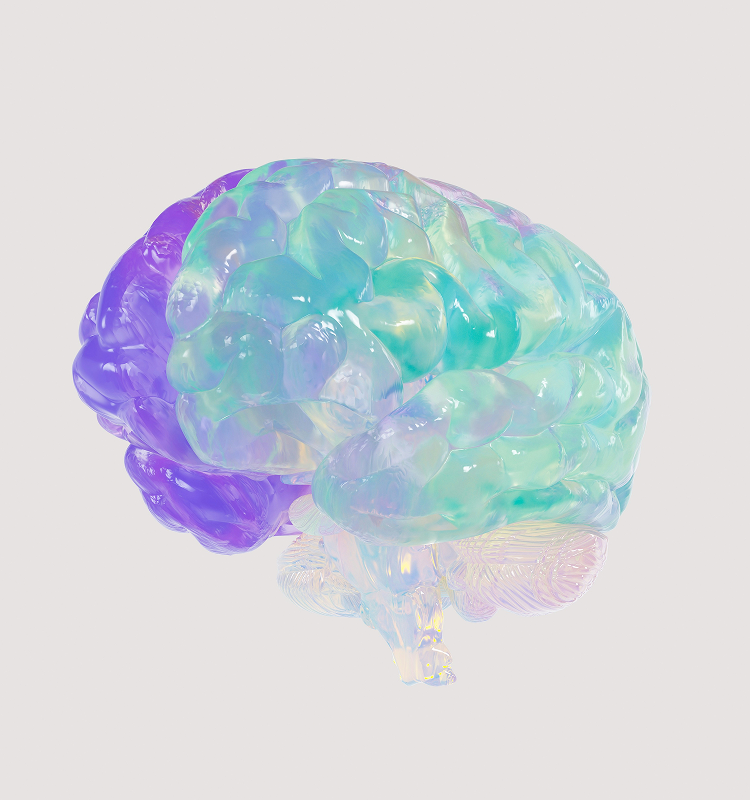
Our brains are incredibly efficient learning machines, and that’s especially true for children. In fact, each of us has built-in mental circuitry specifically for learning from mistakes. When we play a wrong note, for example, our brain fires two separate signals: one for “noticing” the error before we’re even aware of it and another for considering it and beginning the process of rectifying it next time. If you’re hearing stray notes while your child practices, it’s natural to want to rush in and help — but perhaps consider simply giving their brain some time and space to do what it does best.
Children who are allowed to make mistakes become better problem-solvers
The benefits of learning to play piano, as anyone who has successfully done so will attest, extend far beyond the piano bench. Likewise, the benefits of making mistakes on the piano can have positive consequences in other areas of our lives.
Allowing children to make mistakes and find their own solutions while learning piano helps them to commit the correct notes to memory more effectively than simply telling them what to play. It’s also a low-stakes way to teach them resourcefulness and resilience — two skills that will come in handy in many seemingly unrelated situations.
Perfectionism in young pianists is directly linked to anxiety
Piano lessons, as our community has told us, can be downright scary. And that’s particularly true for children (and adults) who exhibit perfectionist traits. A 2025 study found that typical methods of teaching classical instruments placed a disproportionate emphasis on achieving perfection, leaving the 12-year-old subjects of the experiment afraid of making mistakes in front of an audience.
It seems we may have been teaching piano lessons to children the wrong way all along. Instead, it seems, we ought to encourage them to make, and eventually correct, their own mistakes — particularly when playing in front of others. In doing so, we instill a sense of security that helps them enjoy the process of learning and stick with it in the long term.
Making mistakes helps foster a growth mindset
Stanford psychologist Carol Dweck is renowned for an elegantly simple idea that took decades of research to uncover: She noticed that some people seem to be crushed by the experience of failure while others simply bounce back, even after repeated failures.
The difference, she found, was one of mindset. Those with a fixed mindset tend to believe abilities in a certain area are innate. You might, for example, hear them talking about how some people are “musical” while others aren’t. Those with a growth mindset, on the other hand, believe that abilities are the result of effort, strategies, and — yes — making mistakes. These are the folks who bounce back.
Remember the “error signals” in the brain from earlier? These have been found to be stronger in children with a growth mindset — they literally pay closer attention to mistakes and improve their performance to a greater degree after making them. By responding with curiosity instead of correction when your child makes a mistake, you can help to foster a mindset that will serve them well throughout their life.
Fixing every mistake kills musical flow — and fun
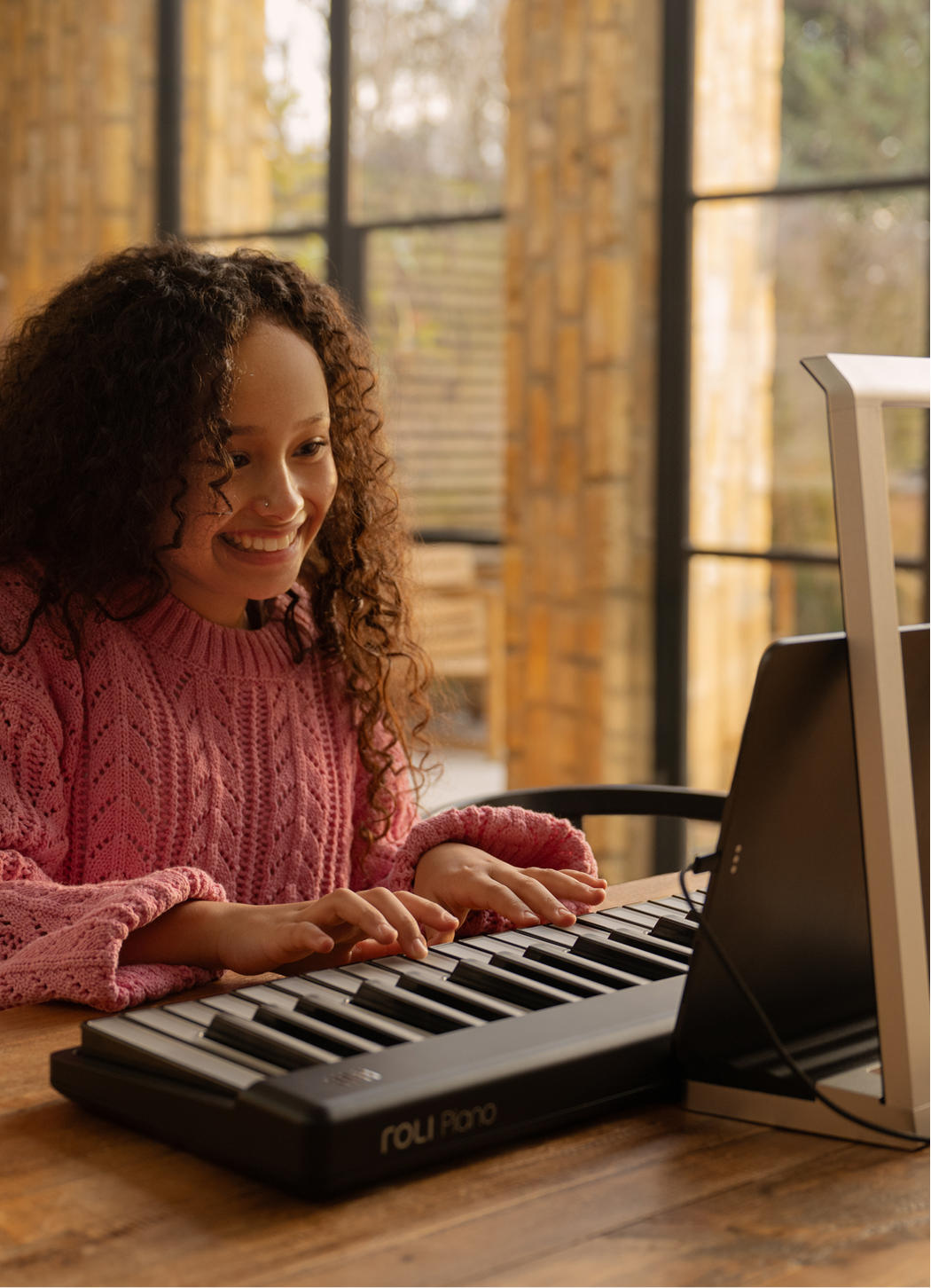
At ROLI, we’re as much about playing to learn as learning to play — and kids love to play. When they’re enjoying the process, they’re learning more effectively in the moment and developing motivation to keep learning. Keeping the fun in each session helps them find what psychologist Mihály Csíkszentmihályi calls the “flow state,” a deep absorption in an activity that facilitates the kind of effortless performance that athletes, authors, and professional musicians all strive for.
But flow is frustratingly fleeting, and stopping to fix every mistake is a surefire way to disrupt it. Letting the wrong notes live happily alongside the correct ones can, over time, help kids to remain happily engaged with their practice, ultimately helping them progress faster, further, and more independently.
The right way to play the wrong notes
The ROLI Learn app pairs with ROLI Piano or Piano M to teach kids their favourite songs using a video game–style cascade of notes and vibrantly glowing keys. It’s packed with licensed hits, fun games, and engaging exercises as well as hundreds of interactive video lessons that teach theory and technique. Add Airwave, and it can even see their hands in real time to provide AI-powered conversational advice and tips for learning piano.
Suggested articles

New Year, new you: beat the brain rot
Best digital pianos & keyboards for beginners: Your 2026 buying guide
The best free websites for learning electronic music
Why reading sheet music is overrated (and what to do instead)
ROLI Experiments: Can you learn piano if the teacher can’t see your hands?
Why It Matters: From Quitter to Creator — How tech is saving piano learners
How long will it take to learn piano?

"ROLI Piano exceeded my expectations." — Isabella's ROLI Learn journey
Join the ROLI community