Why learning music is the best form of screen time for your brain
Take a closer look at the sometimes-surprising brain (and body) boosting benefits of learning music
Keen readers might have recently spotted a post on this blog about “brain rot” and how to get the better of it. We advocated for, among other things, a reduction in time spent staring at screens. “Wait a minute, ROLI,” you might have said. “How am I supposed to learn piano without looking at the app?”
It’s a fair point, so we’d like to add a clarification: Yes, you probably should try cutting down on your total screen time if you think doing so might be good for you. That said, you can also make some seriously positive changes simply by being a little more intentional about what exactly you’re using your screens for.
To recap our original argument, there are plenty of things we do with our various devices that can have less-than-ideal effects on our mood, productivity, and mental and physical well-being. We’d stop short of saying that particular activities are outright bad, but we know — both anecdotally and from a growing body of research — that it’s possible to use our devices in ways that are harmful to us; excessive consumption of short-form video content has been linked to attentional issues, for example, social media use has been linked to various mental disorders, and even the way we tend to sit while looking at a computer screen has been shown to cause postural problems.
But the screens are here to stay, at least for the foreseeable future — and they do have their plus points: they help us stay in touch with friends and loved ones, they allow us to collaborate in new ways, and they open up incredibly effective means of learning everything from coding to cooking to, yes, playing the piano.
And when it comes to healthy screen time, that last one is hard to beat. Here are six scientifically validated reasons playing an instrument benefits your brain.
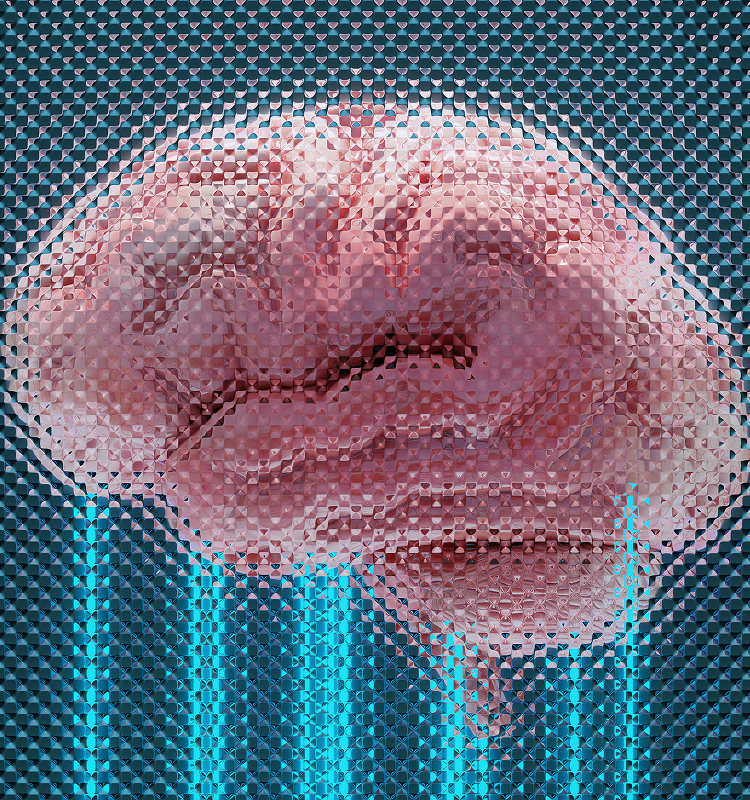
Reason 1: It gives your brain a thorough workout
When we make music, we’re activating a whole lot of neutrons. It’s one of the few activities that simultaneously engages motor, visual, auditory, and cognitive regions of our brains at the same time. So much so that a 2003 study found increased grey matter across many different areas of both amateur and professional musicians’ brains compared to non-musicians. Beyond just being healthy screen time, you might think of piano playing as a kind of full-body workout for your brain.

Reason 2: It can reduce stress
Stress is an increasingly common problem. Something about the way many of us live today, it seems, sends cortisol spiralling. It’s true that there are lots of solutions on offer — from meditation to medication — but one of the best may simply be spending some more time immersed in music. A 2005 study found recreational keyboard playing to be around three times more effective at reversing stress markers than “quiet rest”. And if you’re feeling too frazzled for a session? Just listening to music has also been shown to help.

Reason 3: It may help prevent cognitive decline
None of us are getting any younger. And while age may just be a number (that certainly seems true enough for learning a new instrument), the effects of cognitive decline are real. While much of the evidence is still observational, it’s thought that certain activities, including making music can stave off or slow down this decline. In 2014, researchers studied pairs of twins and found that the musicians among them were 64% less likely to develop dementia than their non-playing twins. A later meta-analysis found a smaller, yet still significant, risk reduction of 36%.

Reason 4: It can improve your mood
It’s easy to take this one for granted, but we shouldn’t overlook the simple fact that making music feels good. To use some scientific lingo, active music-making has been found to reduce negative affect, engage neurochemical reward pathways, and improve mental well-being — more so than listening alone, according to some studies. And it goes well beyond just offering us a little lift; music therapy has been shown to be an effective treatment for both depression and anxiety.

Reason 5: It’s social
Several of the studies referenced so far have incorporated group workshops or performances, and this may not be entirely incidental. Making music together triggers the release of endorphins, accelerates social bonding, and — according to some studies — even releases oxytocin, commonly known as the “love hormone”. Whatever the mechanism, it’s hard to overstate just what a good icebreaker playing music can be in all sorts of situations.

Reason 6: It can stop you getting sick (really)
Most of the health benefits of playing an instrument seem to be largely “in our heads”, in that they’re mostly of benefit to the brain. This one is different; it may seem far-fetched, but making music really can protect us from illness. Scientists measure the strength of the immune system by looking at the levels of specific markers in our bodies. Across several preliminary studies, music-making (singing and drumming in these cases) has been found to increase the levels of secretory IgA, natural killer cell activity, and cytokine profiles (all good things, we’re assured).
Give your brain a boost with ROLI Learn
Ready to swap doomscrolling for scrolling piano notes and a library filled with your favorite songs? We’ll refrain from making any bold health-boosting claims about the ROLI Learn app itself, but we are confident that it’s a brilliant way to begin your music-making journey. Pair it with ROLI Piano or Piano M for the perfect beginner setup, or add Airwave for the ultimate AI-assisted path to progress.
Suggested articles

7 reasons why learning piano together is good for families

Harmonious healing: Exploring the benefits of music on mental health

Join the ROLI community