From pain to practice: How music taught me focus (and how technology is helping others find theirs)
"People learn best when they care about what they’re learning."
I’m going for something poetic here, so indulge me – when I was young, I couldn’t run… but I could play.
I was born with a condition that makes walking and standing pretty painful. In music, I found something no amount of surgery, physiotherapy, or well-meaning advice could offer: calm, focus, and a sense of freedom that existed entirely in my own hands. Although, to be clear, in the following years, the physiotherapy really has helped too!
Sitting at the piano wasn’t just comfortable; it was control. At that time, I thought I was simply learning an instrument. Figuring out how to translate the notes from the page into the vision I had of it in my mind. However, sneakily, the hours I spent practicing, repeating the same phrase over and over again, were quietly teaching me how to manage frustration, build my patience, and develop my ability to get into a flow state.I didn’t realise how much music was shaping me. It wasn’t just an escape; it rewired and reframed how I dealt with challenge itself!
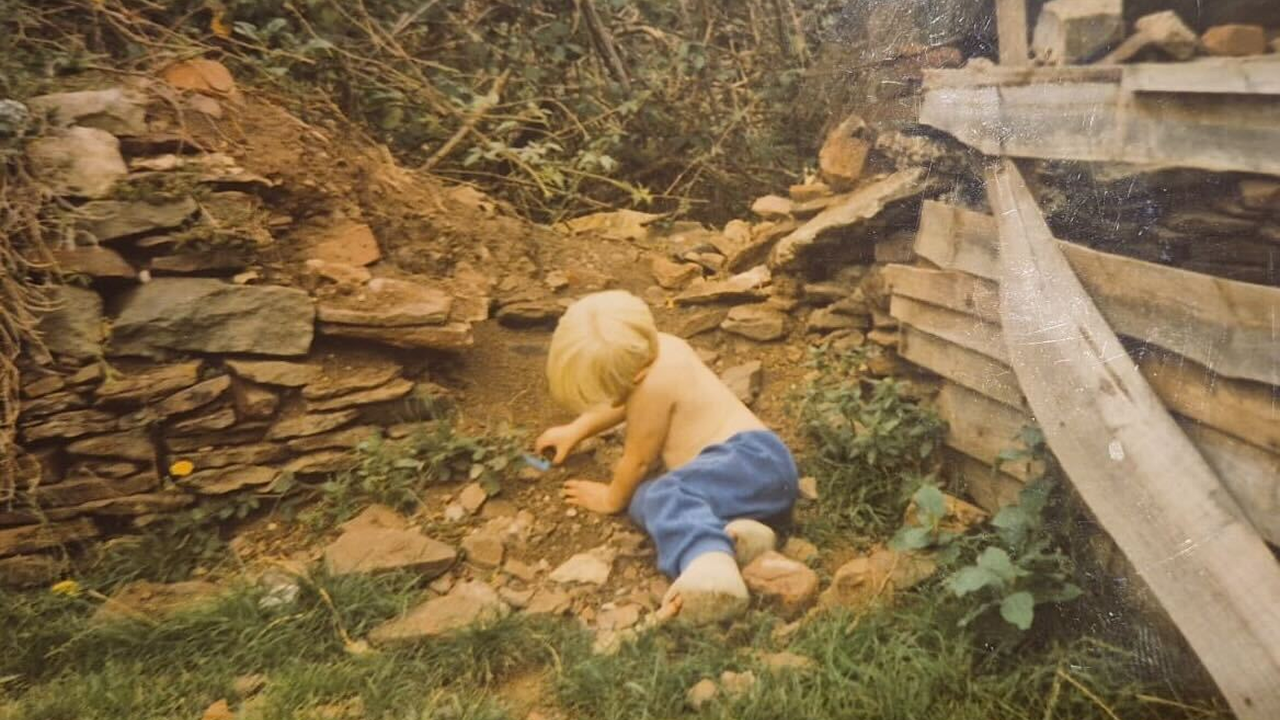
"I was born with club feet and spent years in and out of casts and surgery. What began as a limitation quietly became part of how I moved through, and understood, the world."
The Beginning of Obsession
My curiosity for the piano started at home. My mother played a little, my grandmother did too (and her cousin had even been a concert pianist — but in her prime, much like Beethoven, lost her hearing). So the idea of music wasn’t foreign, just… a little mysterious. We always had a piano in the house, but it was rarely in tune.
Before I had formal lessons, I’d sit for hours teaching myself by ear, trying to match music I heard to the keys. Then, when I had some more experience, I began painstakingly deciphering sheet music one note at a time. That’s how, at twelve years old, I began taking weekly lessons, every Tuesday after school for 30 minutes. My teacher was meticulous. She logged everything — every scale, every piece, leaving comments on my progress each week and what to focus on for the next.
I, on the other hand, was a little less methodical, many times showing up underprepared, having spent the week exploring other music instead of what I was assigned. But that sense of curiosity, that need to understand something because it fascinated me, became a defining feature of how I learned and how my teacher adapted to my style of learning.
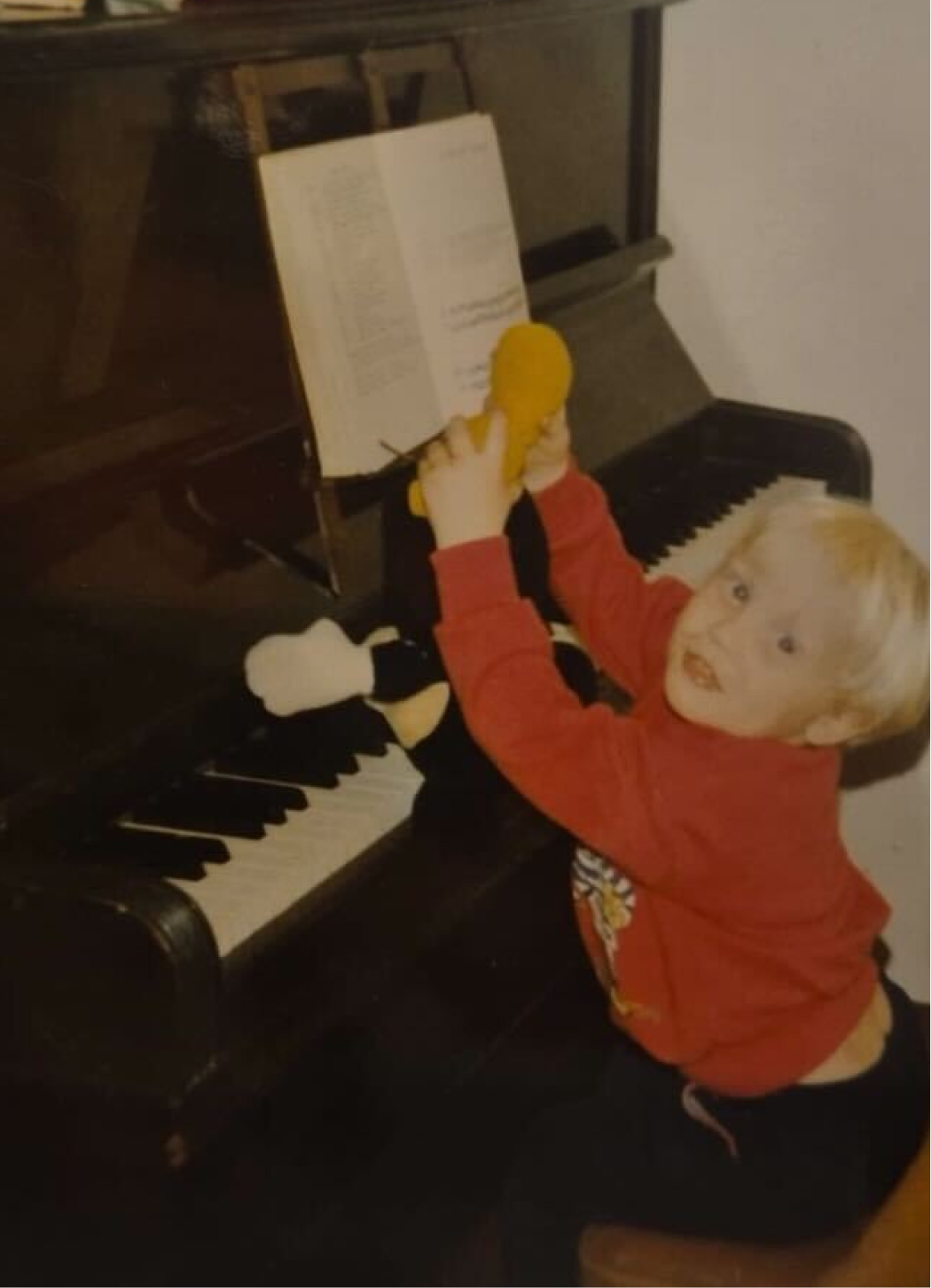
"Around 3 or 4, I found the piano. No pressure, no formal learning or structure. Just play, imagination and letting toys accompany me."

Structure vs. Chaos
Looking back through my old logbook, there’s a clear pattern: I finished almost every piece I chose for myself and far fewer of those chosen for me, but there is a reason for that!. When I chose a piece to learn, I was invested before the first note – this is the piece that will become my next obsession!
Whereas my teacher was concerned that I wouldn’t get a well-rounded grasp of all music had to offer if all I ever tackled were pieces that I chanced across.
That difference in motivation taught me something that still guides my work today: people learn best when they care about what they’re learning. My teacher understood this, too – when I raised a suspicious eyebrow as to why she selected a certain piece, she would just explain what she loved about it, and we would go from there. Being introduced to pieces that I wouldn’t normally have chosen exposed me to so much repertoire that I grew to love. I can probably pinpoint a lone bar of music or particular harmonic choice in every single piece I’ve ever learned, which acted as a catalyst to carry me through the whole learning process.
If I learned anything from those years, it’s that progress is rarely linear. It’s messy. Where there was chaos and curiosity, I prospered. Some pieces I finished in a week, others took months… and I abandoned a fair few entirely — only to return to them years later — finding that they were suddenly within reach. There’s something deeply satisfying about that particular moment: when something that once felt impossible just clicks into place.
Finding Calm in Repetition
For me, practice became a ritual. Before school, after school — an hour or two of focus. I loved closing off the world and getting to the point where I could let muscle memory take over. It was meditative, even when it was difficult. That focus wasn’t just about getting better. It was a way to manage everything else – music continues to be my regulation system – the way I quiet the noise of pain, frustration, stress. Even now, the less musical my day is, the less balanced I feel!
I didn’t always practice efficiently, I made mistakes constantly, but I learned to enjoy them – that tricky passage which is coming up… better buckle in, because I think it is going to be a bumpy ride! The trick was to see mistakes not as failures, but as feedback — ultimately guiding your next attempt.
It’s a mindset that’s shaped how I approach almost everything in life:
I feel comfort in my processes
I see my progress through repetition
I temper my patience through imperfection
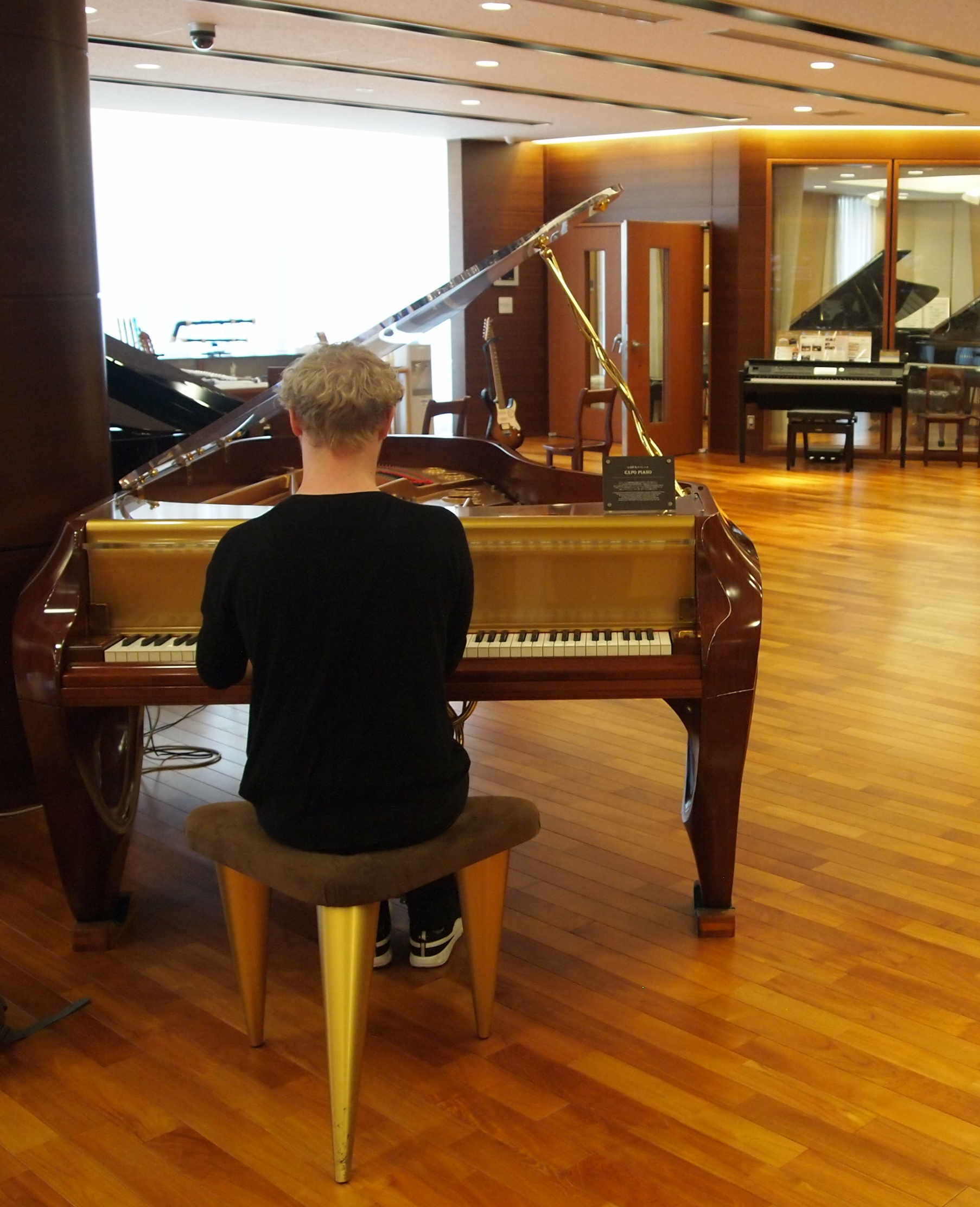
"Visiting the Yamaha Factory was a true pilgrimage for me. I couldn't go to Japan and not visit the place where the Yamaha pianos I’d always loved were being built!"
If I’d Had Today’s Tools
Now, the landscape of learning has completely changed – If I’d had access to something like the ROLI Learn app, I think my early years of learning would’ve looked very different… The hours spent writing out note names by hand are a thing of the past! Today, I could’ve played along with each note instantly annotated, picked up the rhythm and phrasing just by listening and watching each song play through, following the notes one by one. It undoubtedly would have sped up those early stages of learning. Now, I don’t feel like I’m that old… but the development of technology is quite frankly, mind-boggling!
When I was younger, if I wanted to know how a piece sounded, I would have needed the radio, CD, or tape — YouTube didn’t exist, and Spotify wasn’t even an idea. Technology has made the world of music so much more accessible. But there’s a trade-off. Learning a skill is slow and full of imperfections, but this limitation teaches you patience, and that gives you time to fall in love with the process. In a world where everything’s at our fingertips, our attention can be harder to hold onto – I think that’s the challenge of modern learning, especially for developing skills.

From Student to Designer
Now, years later, I find myself helping design lessons and features for learners, people who might be discovering music for the first time. I think my experiences constantly feed into my work. I know what it feels like to get frustrated, to feel like something’s too hard, but to persevere regardless, even if that means falling multiple times at the first hurdle. Progress happens only when you practice practicing. It’s a skill in itself – learning to be comfortable with the discomfort of learning.
I don’t think perfection is ever the goal – growth is! We build, test, release, and most importantly, repeat…
"At home with my Yamaha A1. The babiest of grands, but perfect for me. A quiet full circle moment from childhood ambition to something real."
The Lesson Beyond the Piano
Music taught me resilience, patience, and flow. It taught me that discomfort is often the start of learning, not the end of it. But if I had to confront my younger self and impart what wisdom I’ve gained, it would be that sharing music with others matters as much as mastering difficult pieces and that some of the greatest joy comes from connection, not complexity.
When I watch someone pick up our app and play their first notes, I recognise that familiar look – the quiet concentration, that spark of curiosity. It’s the same feeling I had sitting at my old untuned piano all those years ago – technology can’t replace that moment. But if it can make it easier for someone to reach it — to fall in love with practice, with focus, with progress – then I think we’re doing something worthwhile!
So, to sum it all up, I’ll always struggle to run, but I can play… and that’s more than enough.
About Sam Price
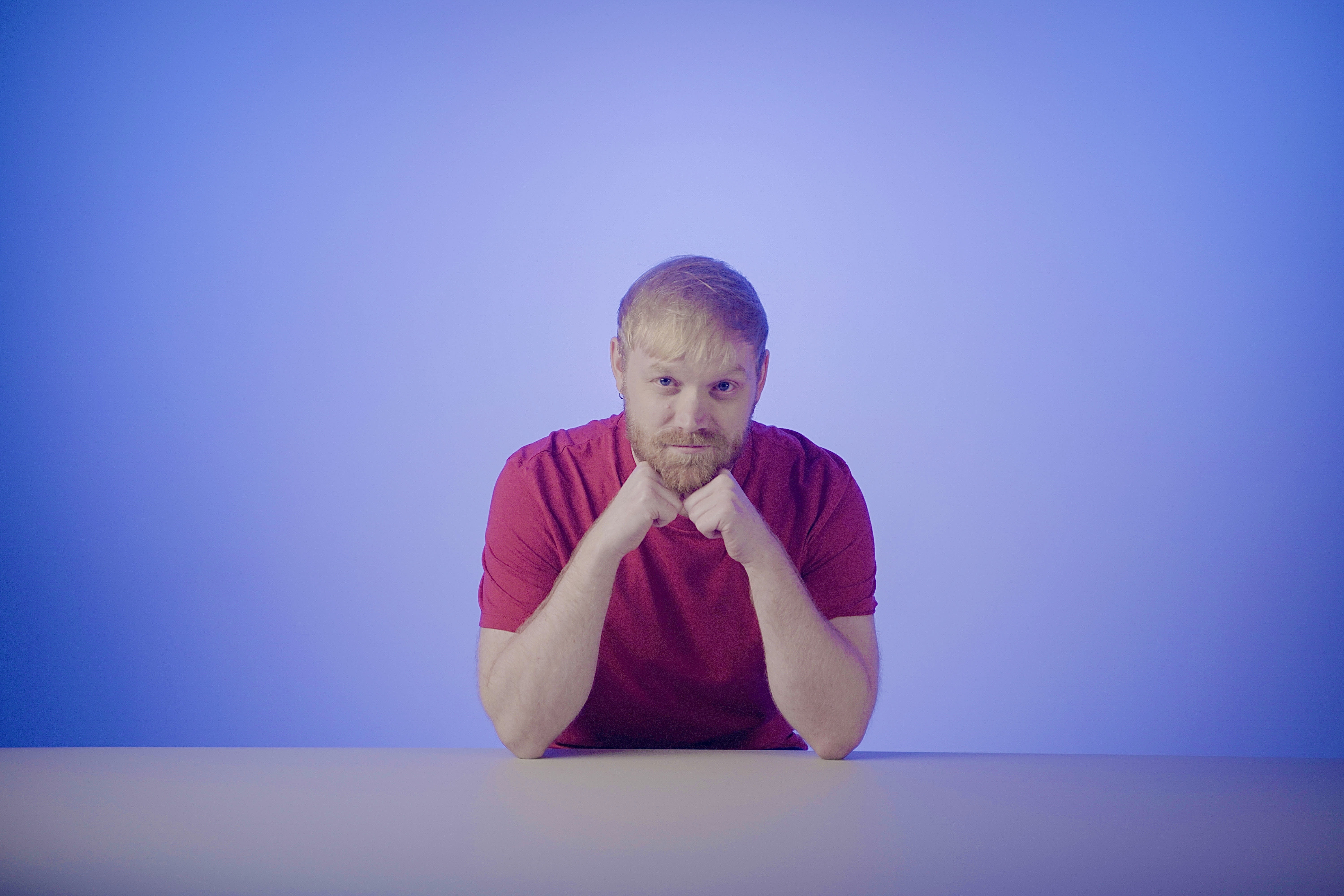
Sam Price is the Principal Product Manager working across music learning and curriculum at ROLI, creatively blending strategy with feature development alongside planning and producing the lessons in the ROLI Learn app. With a background in piano (performing and teaching), composition, and music research, Sam brings a musician’s perspective into product thinking. He's especially interested in user feedback, understanding what helps learners click, and where they get stuck. Ultimately, Sam wants to make learning music more engaging because practice is hard, and it should feel rewarding!
Suggested articles
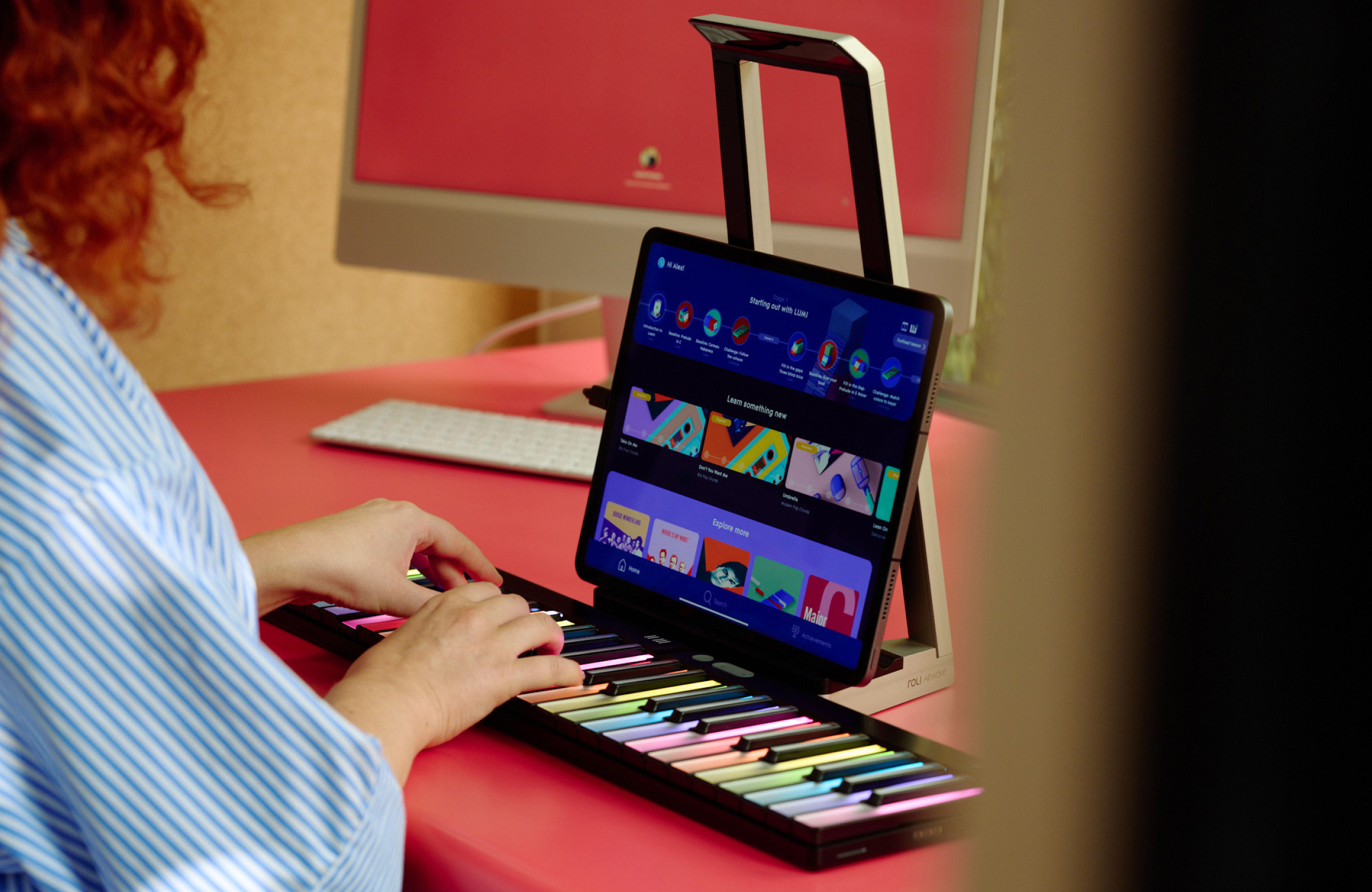
Why It Matters: From Quitter to Creator — How tech is saving piano learners
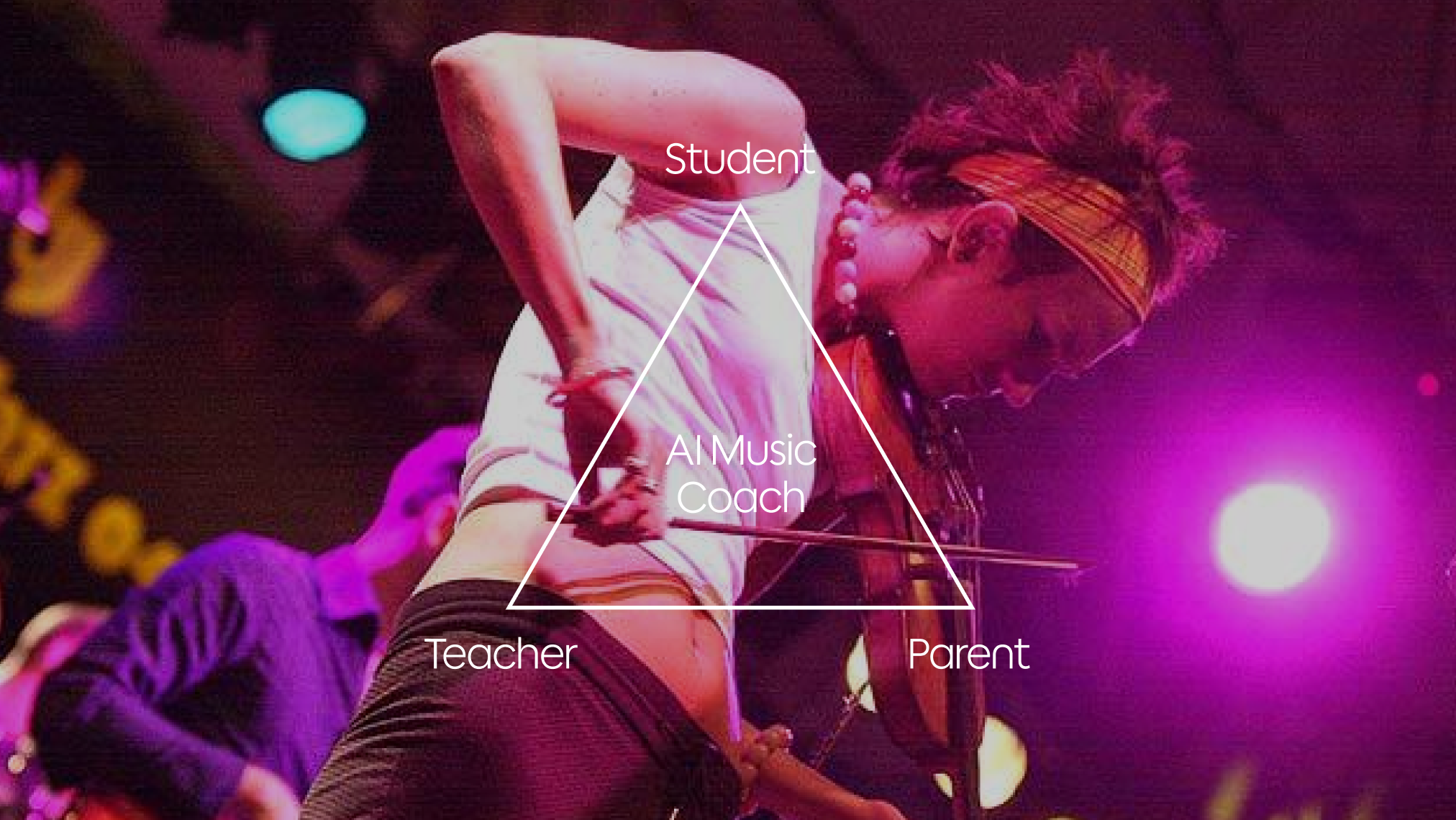
Reimagining the Suzuki Triangle: teacher, parent, child — and the emergence of the AI practice assistant
Harmonious healing: Exploring the benefits of music on mental health
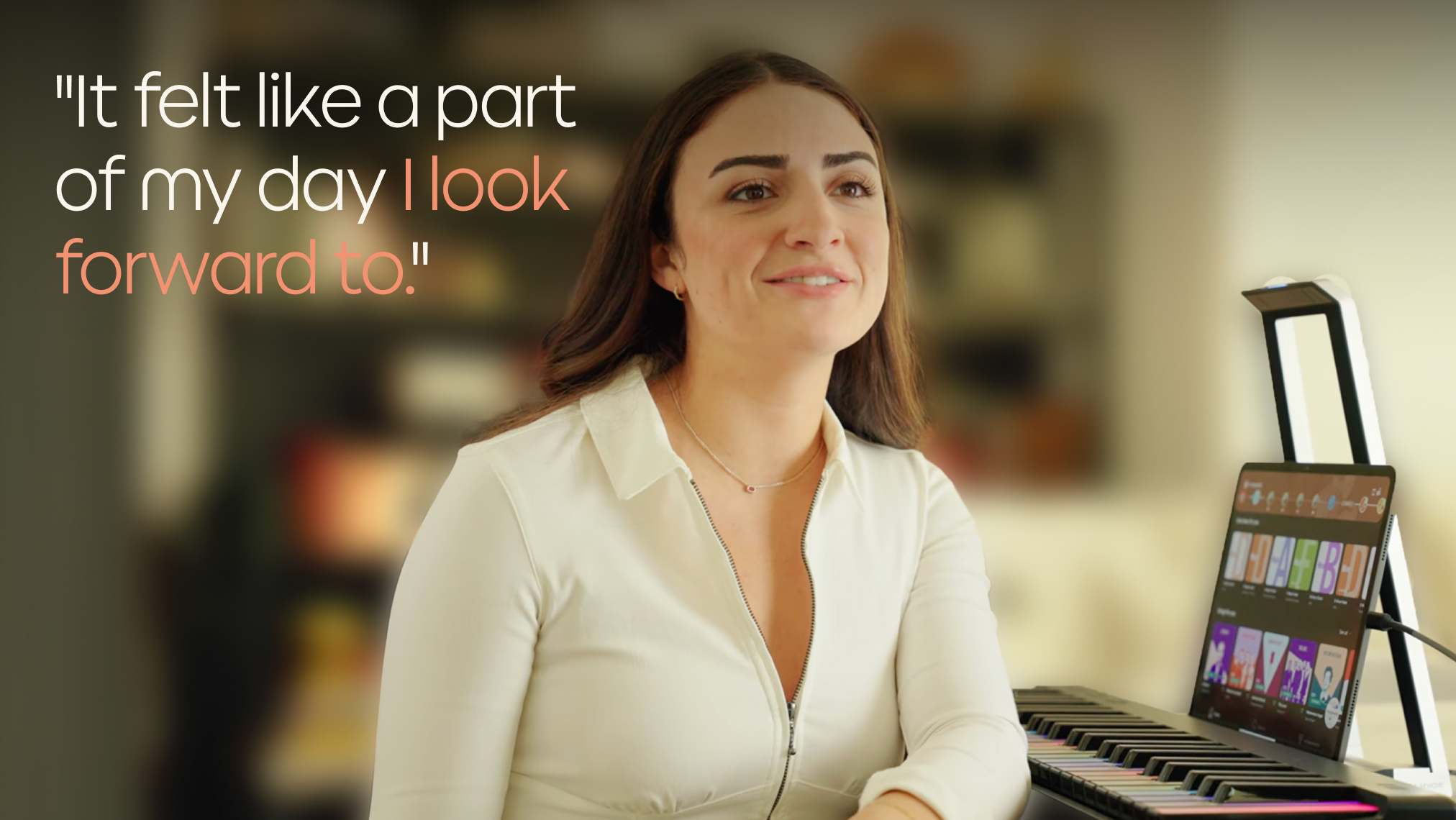
"ROLI Piano exceeded my expectations." — Isabella's ROLI Learn journey
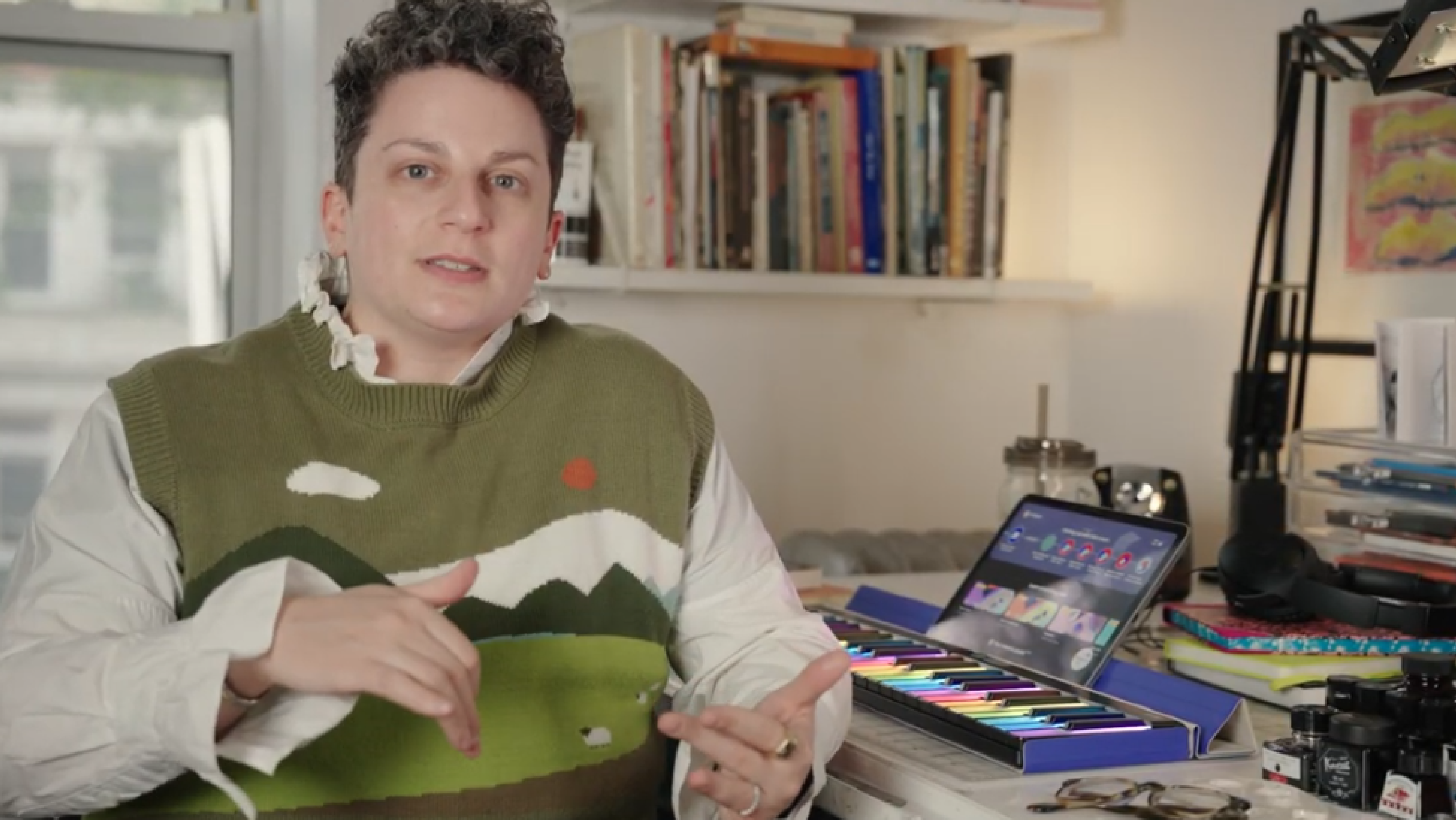
Buzz Slutzky learns to speak a musical language with ROLI Learn
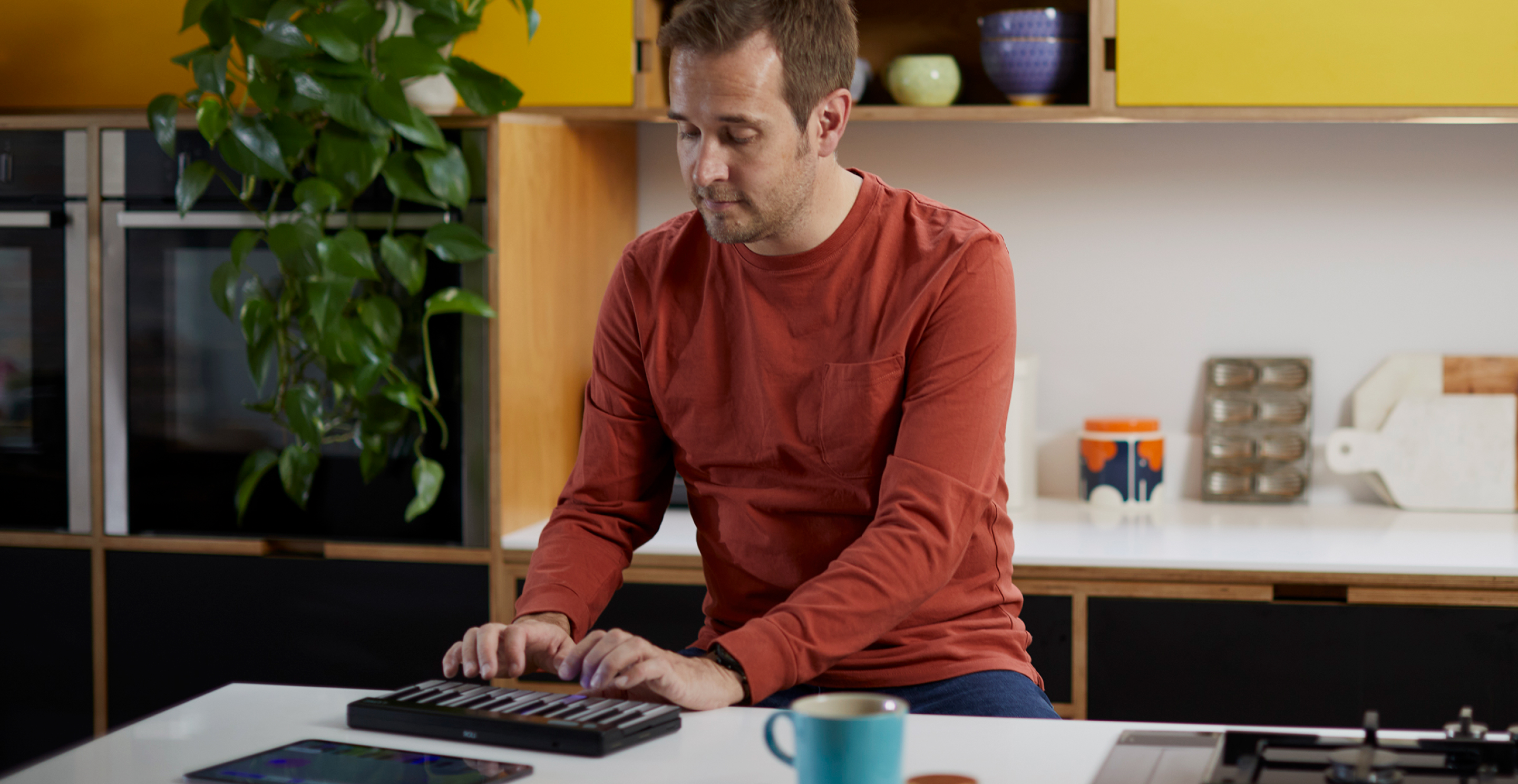
Learning piano as an adult with Piano M
Join the ROLI community